How to protect yourself from phone scams and scam calls
Since Covid-19 we’ve all noticed an increase in the number of scam calls and texts circulating. In 2025, An Garda Síochána, reported an increase of 137% in these fraudulent offences, and Three blocked more than 26 million suspected scam calls and intercepted over 455,000 fraudulent SMS messages before they reach our customers.
So, to learn more about how to protect yourself from these scams keep reading.
What are phone scams?
For many of us our smartphone is more than how we stay connected with the people in our lives, it’s our connection to our bank, social media and many personal accounts. This is why phone scams have become increasingly common.
Scam calls are when you’re contacted by someone pretending to represent a legitimate company to get you to share your personal details, banking information or passwords, with the intention of stealing your identity or your hard-earned money.
For more on identifying phone scams and phishing texts and how to protect yourself check out stay secure with Three.
Common types of phone scams
There are a lot of different types of scams floating about. Most commonly they are received by call, text or messaging app. Below are some examples, so you know what to be on the lookout for.
Scam calls
There are a number of different types of scams that happen over the phone. Some of the common examples are;
- Calls to tell you that you won a prize,
- Calls from a bank advising you about possible fraudulent activity,
- Calls from delivery companies requiring payment or additional information to complete delivery.
These calls will often follow a similar pattern, the caller will ask you to either provide your personal details, make payment through them or using a link or website they provide. The caller will also stress that you need to act urgently. This is done to keep you off-balance and rush you into making a mistake.
Scam texts
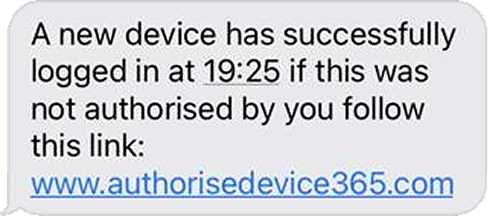
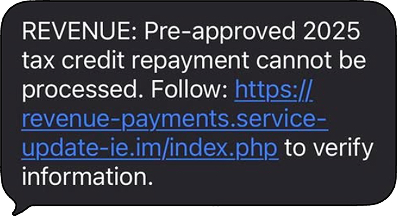
Similar to scam calls, scam texts, sometimes known as smishing or phishing texts, often appear to be alerting you to fraudulent bank activity, alerting you that you’re due a refund from Revenue or from a service provider advising that if you do not act your account will be deactivated. These messages will often contain a link, which will lead you to a fraudulent site.
Messaging app scams
Scam messages received through messaging apps, such as WhatsApp and Facebook messenger are very similar to those received by text. With scammers contacting you while pretending to alert you to fraudulent activity with your bank or service provider or informing you that you’ve won a prize.
However, the most common scams on messaging apps are verification code scam or scams using a QR code.
A verification code scam is when you receive a verification code out of the blue, and then you’re contacted by a third party who claims they sent you the code by accident and asking you to share it.
In truth, the verification code is a one-time passcode for your account, and by sharing the code you’re giving them access to your account.
With scams where a QR code is used, a QR code is often sent supposedly so that you can claim a prize, update delivery details or pay customs charges. Unfortunately, these QR codes don't take you to official or genuine site. These scammers are phishing for your personal details so that they can steal your identity or, for your banking details so that they can access your financial information.
How to spot and avoid scams
Now a days scammers are very tech savvy this makes spotting scams difficult. To help keep our customers safe we've put together a list of does and don't which will help you to spot a scam.
Don't
- Answer unexpected calls from unknown number.
- Return calls to unknown numbers.
- Share personal details like your date of birth, pin numbers or passwords.
- Download anything or click on any shared links.
- Provide any payment details including banking information, pin or password.
- Allow yourself to be rushed. If you’re being pushed to make a decision or complete a transaction hang up.
Do
- Report scammers contacting you - steps on who to report scams to see below.
- Take your time, don't allow yourself to be rushed or hurried into making any decisions.
- Feel free to end the conversation at any time. If it's a genuine caller, they will not be offended if you end the call and call their company yourself.
- Inform yourself, companies and service providers will have their official details published online. For information on how Three contact customers, take a look at our Why is Three calling me support page.
What to do if you think you've been scammed
With how sophisticated scammers are these days, it's no wonder that some many people get caught up in them. If you think its possible, that you've been scammed, here are something that we'd recommend you do;
- Report it. For details on how to report a phone scam, see below.
- Did you share a password? If you did, reset immediately and make sure that two factor authentication is enabled.
- Have you shared payment or banking details? If you have, contact the emergency number and let them know.
- Who did the caller or texter say the represented? If you hold an account with that company, call them directly and ensure that your account is secure.
How to report phone scams in Ireland
Scam calls and texts are illegal, so if you fall victim to one of these scams, report it.
ComReg, the communications regulator, advises that you report scams to An Garda Síochána.
Depending on the type of scam you’ve encountered you may need to contact your service provider, mobile provider or bank.
Service provider – if you’ve received a scam contact relating to a service provider, to ensure that your account is not compromised, contact them to ensure your accounts safety.
Mobile provider - if you’ve received a number of scam calls or repeated from the same number, please contact your phone provider so that they can block the number. To report phone scams to Three, call 1913.
Bank – if you’ve shared your bank account details or you fear your account may be compromised, we’d recommend contacting your bank immediately.
Additional resources: